Vehicle and load weight
Share the vehicle class, approximate gross weight, carried load, axle count, and whether a trailer is attached.
Request assessment for eligible trucks, buses, trailers, fleet vehicles, and larger commercial vehicles. Equipment and provider availability are confirmed only after the vehicle, load, scene, and route are reviewed.
Call +91 84472 74918Heavy-vehicle assessment
Heavy recovery requires more than a location pin. Accurate weight, load, axle, damage, road, and destination details determine whether suitable equipment can be arranged.
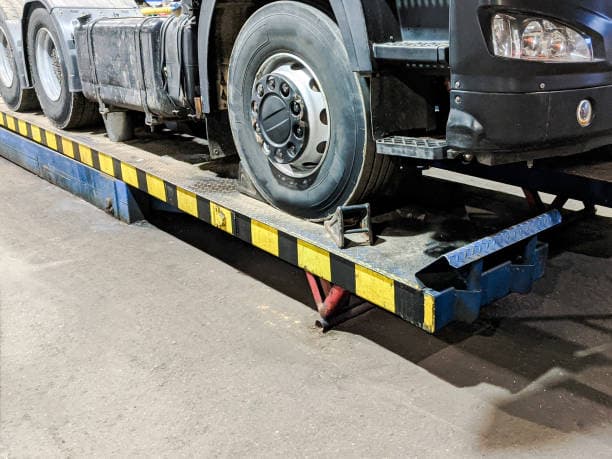
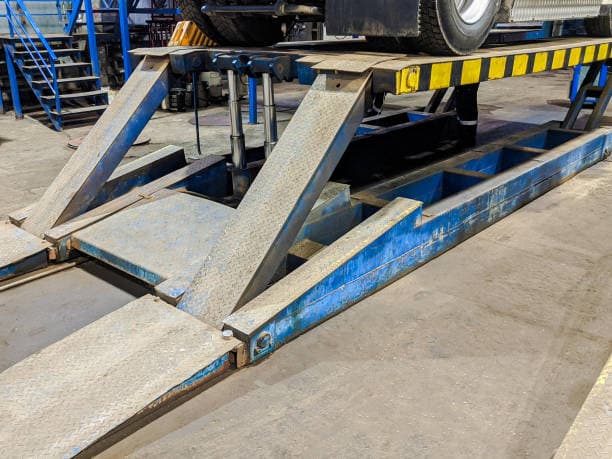
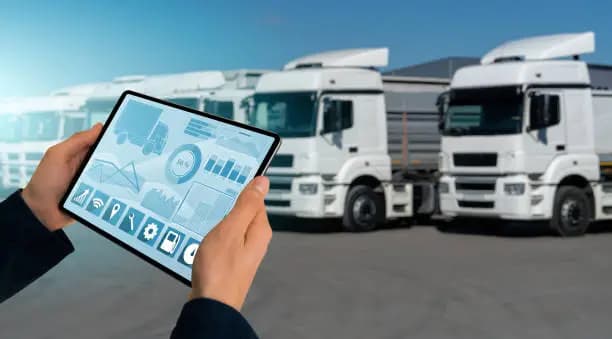
Missing weight or damage information can result in unsuitable equipment, unsafe work, delay, or a revised estimate.
Share the vehicle class, approximate gross weight, carried load, axle count, and whether a trailer is attached.
Report locked, missing, or damaged wheels, steering or brake problems, rollover position, leaks, and collision damage.
Provide the road direction, lane position, bridge or height restrictions, shoulder condition, gradients, and safe staging space.
Confirm the destination, vehicle owner or fleet authorization, cargo restrictions, permits, and destination receiving contact.
Send the exact location, vehicle specification, load, damage, road position, and photographs when it is safe to do so.
Dispatch checks whether an independent provider has appropriately rated towing, lifting, winching, or recovery equipment.
Confirm provider details, equipment, traffic-management requirements, current ETA, price basis, exclusions, and liability terms.
The attending provider inspects the scene before work begins. The method or price may need revision if the actual condition differs materially.
TowMigo is not a police, fire, ambulance, or highway authority. Report injury, fire, leaks, hazardous cargo, unstable loads, or vehicles obstructing live traffic to the responsible public authority first.
Do not stand between vehicles, enter live lanes, attempt an unsupported lift, or disconnect a loaded trailer unless a qualified person has secured the scene.
No universal truck can handle every heavy vehicle. Capacity depends on actual weight, load, axle and wheel condition, road access, recovery angle, permits, and available rated equipment. Dispatch confirms suitability case by case.
Contact police, the responsible highway authority, or emergency services first when there is an immediate traffic hazard, injury, fire, fuel leak, hazardous cargo, or unstable vehicle. Commercial recovery should begin only when the scene is authorized and safe.
Heavy recovery estimates depend on the information available before attendance. Extra recovery time, cranes, winches, traffic management, waiting, tolls, permits, changed destination, load transfer, or undisclosed damage may change the amount. Review the price basis and exclusions before approval.
Insurance and carrier-liability terms vary by independent provider and booking. Ask for the applicable cover, exclusions, limits, evidence, and claim procedure in writing before movement.